

Ohio’s Next Governor: Can Amy Acton Break the Republican Streak? Mmmm No…

Amy Acton has officially announced her candidacy for governor, and the race is already sparking conversations about her leadership credentials and ability to navigate a polarized Ohio. Acton’s visibility during the COVID-19 pandemic, particularly her structured communication approach, won her both praise and criticism. However, the broader question remains whether she can bridge the partisan divide in a Trump +11 state. Some believe that Acton’s approach to healthcare and governance needs a significant populist tilt to resonate with Ohioans. Her decision to step down during the pandemic has also drawn scrutiny, raising doubts about her readiness to handle the intense pressures of statewide leadership. Building grassroots support and financial backing will be pivotal for her campaign, but the challenges of shifting voter loyalty in a Republican stronghold cannot be overstated.
California’s Wildfires and Government Accountability
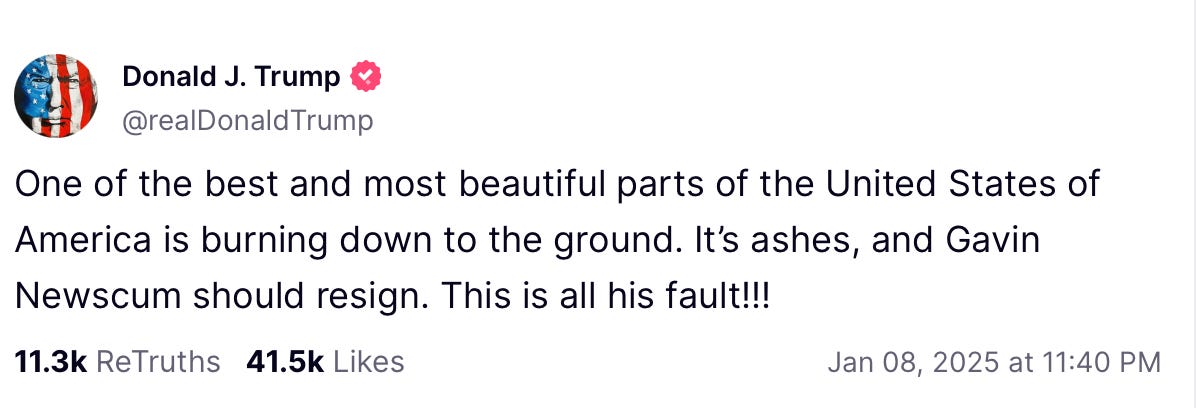
California continues to grapple with devastating wildfires that have displaced families, destroyed properties, and reignited debates on government preparedness and accountability. The federal government’s pledge to fully support fire suppression efforts highlights the severity of the crisis, but questions linger about rebuilding efforts and the role of insurance companies. Many homeowners, some of whom were dropped from their policies shortly before the fires, face an uphill battle to recover. The leadership response has also been criticized, with some pointing to poor communication and a lack of visible action by local officials. Comparisons to previous crises like East Palestine and Maui underscore disparities in aid and attention. Addressing systemic issues such as underfunded fire departments and predictive data use by insurers will be essential in preventing future disasters and rebuilding public trust.
Social Media and Surveillance: Changing the Rules of the Game
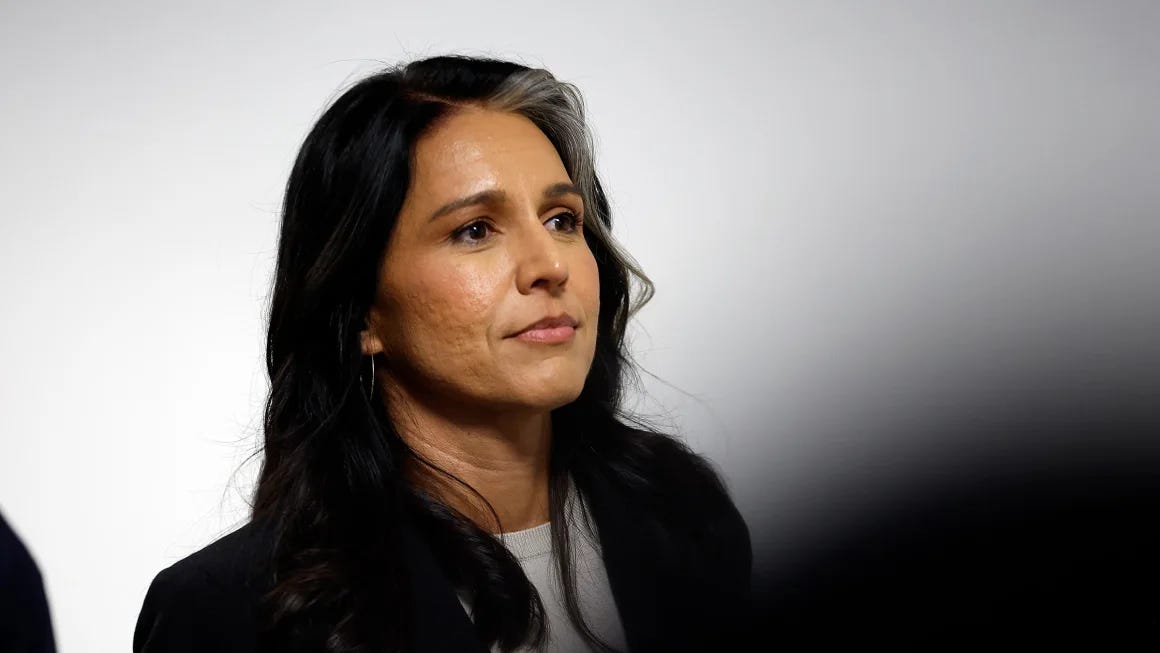
Social media platforms are once again in the spotlight, with TikTok facing an imminent ban in the U.S. due to national security concerns and Meta revisiting its content moderation policies. Mark Zuckerberg’s recent comments acknowledging past mistakes on censorship and pledging to adopt community-driven evaluations signal a potential shift in the social media landscape. However, skepticism abounds regarding the timing and motivations behind these changes. The complexity of navigating free speech, privacy, and government pressures is not lost on us. Platforms like Facebook must balance global user needs with diverse laws and cultural expectations, often finding themselves in the crossfire of political and public scrutiny. The broader implications of surveillance laws, such as Section 702, further complicate this narrative, with debates around warrantless data collection highlighting tensions between security and civil liberties.
Global Power Plays: Greenland, Canada, and the Panama Canal
Discussions around expanding U.S. territories, including hypothetical acquisitions of Greenland, Canada, and the Panama Canal, offer a provocative glimpse into global power strategies. While these ideas may seem outlandish, they reflect broader concerns about geopolitical stability and resource security. The rise of imperialistic influences from nations like China and Russia has heightened the urgency of safeguarding shipping routes, energy supplies, and technological dependencies. Balancing domestic priorities with global ambitions is a tightrope act that underscores the interconnected nature of modern governance. The potential strategic advantages of such acquisitions must be weighed against the political and ethical implications of these bold moves.
Jimmy Carter’s Legacy and Political Optics
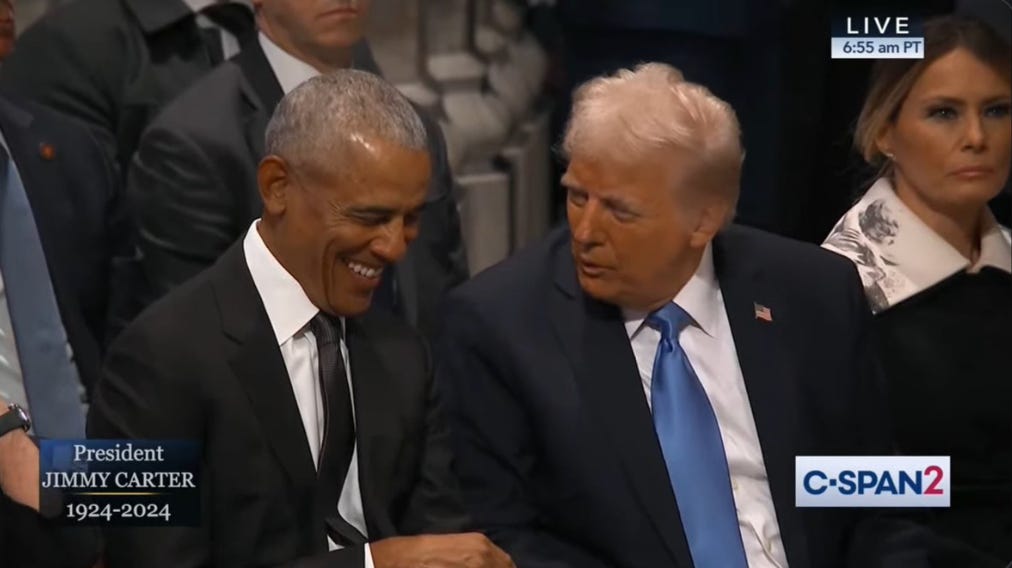
The funeral of former President Jimmy Carter brought together leaders from across the political spectrum, offering a rare moment of unity and reflection. While Carter’s legacy as a humanitarian and public servant remains a focal point, the interactions between current and former leaders at the event have sparked widespread commentary. Observers noted the stark contrast between campaign rhetoric and the camaraderie displayed during the service. These moments highlight the complex relationships within the political elite, where personal bonds often transcend public disagreements. This interplay between optics and authenticity continues to shape public perceptions of leadership and governance.
Closing Thoughts: Leadership and Accountability
From Ohio’s gubernatorial race to global crises and social media’s evolving landscape, this week’s discussions underscored the importance of leadership and accountability. Whether addressing local challenges or navigating complex global dynamics, one thing is clear: public trust hinges on transparency, competence, and a commitment to shared values.
What are your thoughts on these issues? Join the conversation and share your perspective below!


