
Stop Settling For Mediocrity: Ohio’s 3C+D Rail Plan Isn’t Ambitious Enough
High Speed Rail Please?

Ohio politicos keep telling us to “champion” passenger rail as if any rail is automatically good rail. What’s on the table right now is the 3C+D corridor—three daily round trips tying together Cleveland, Columbus, Dayton, and Cincinnati on existing tracks. On paper it reconnects our biggest metros. In practice, it’s yesterday’s tech with a fresh coat of paint. All Aboard Ohio
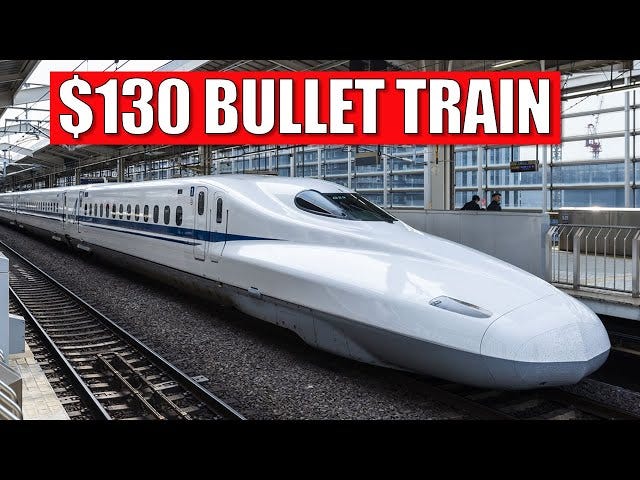
What They’re Proposing—and What They’re Not Saying
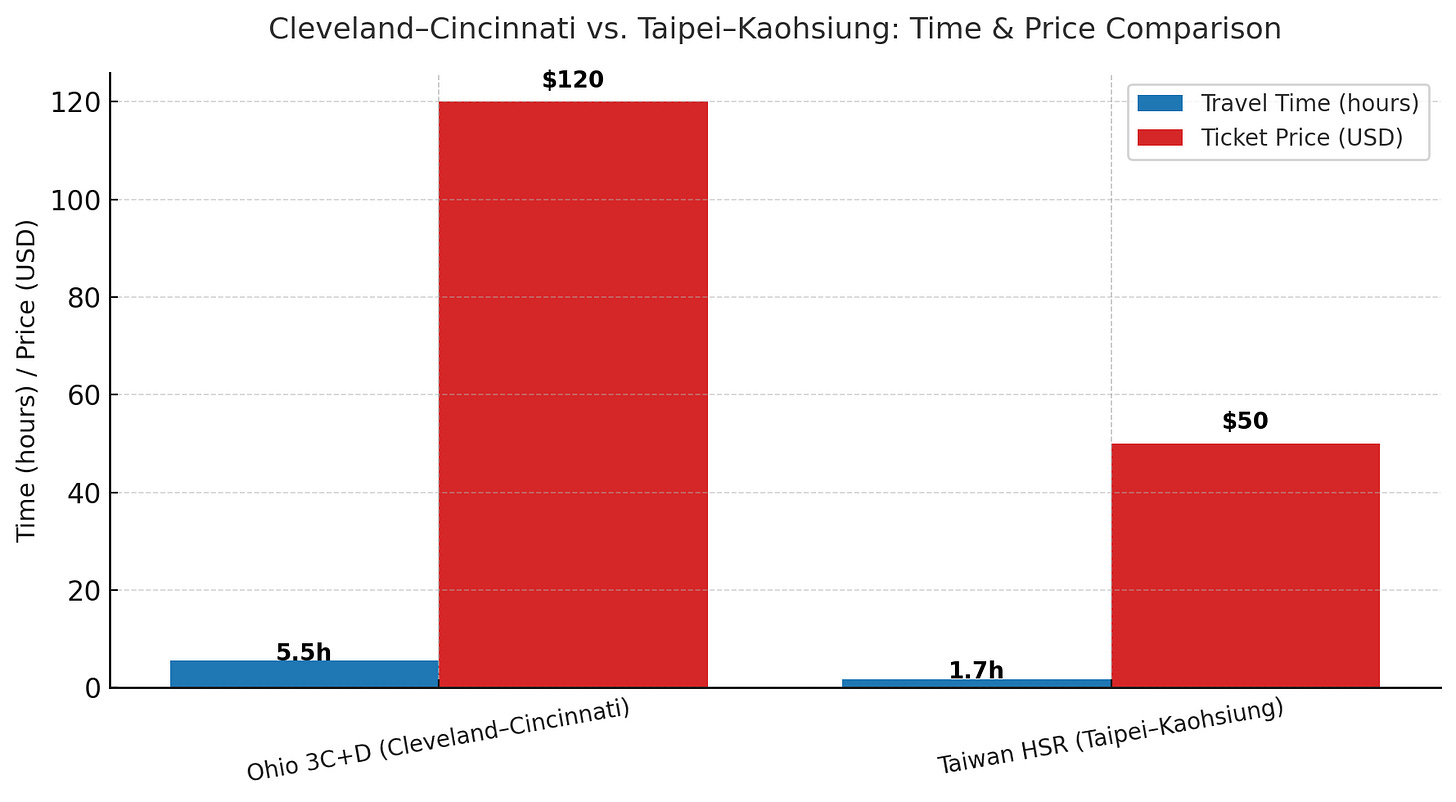
The concept is straightforward: run conventional Amtrak trains over freight railroads with a starting top speed of 79 mph, possibly nudging to 110 mph later with more upgrades. That’s not high-speed rail by any global standard; it’s standard U.S. “higher-speed” at best. Amtrak’s own corridor brief lists three daily round trips and an initial Cleveland–Cincinnati time of about 5 hours 30 minutes. That’s the official vision. Federal Railroad Administration+1
Drive the route on I-71 and, on a normal day, you’re looking at ~3 hours 40 minutes to ~4 hours—door-to-door, with your own wheels when you arrive. Even if schedule tweaks shave rail times down closer to five hours, it’s still not beating the car for most trips. And that’s before you add the Cincinnati-end Uber or the wait for local transit that doesn’t quite get you to the last mile. Travelmath+1
So yes, you can “work on the train.” But if we lock in a service that’s an hour (or more) slower than driving, the productivity pitch collapses for a lot of real-world travelers. The time math just doesn’t sing.
About the Bill: Capital, Operations, and Fares
Let’s separate rumor from documents:
Capital cost. The public material in circulation (Amtrak and Ohio planning decks) describes a conventional-speed starter service for 3C+D. Current statewide materials emphasize the planning phase (Corridor ID Step 1) rather than a final construction budget. News and advocacy briefings tie the starter build to ≈$1–$1.5B. Ohio’s official updates stress that a proper Service Development Plan will refine ridership, capital, equipment, and schedule—i.e., the real dollar figures land after this next step. Ohio Capital Journal+1
Operating cost. Early partner slides and press cite an annual operating subsidy gap (operating cost minus fare revenue). The precise figure gets set in the Service Development Plan, but the ballpark used by state/advocacy materials is a sizable annual subsidy—typical for U.S. starter corridors. (Ohio’s Rail Plan and press around Corridor ID make clear these details are exactly what Step 2 is for.) Ohio Capital Journal
Fares. There is no official fare yet for 3C+D. That widely tossed-around “$120 one-way” number people see online comes from today’s circuitous bookings (e.g., via Chicago or the tri-weekly Cardinal) that can take ~24 hours—not from a future, direct 3C+D timetable. Don’t anchor expectations to a non-comparable product. Amtrak
Economic impacts. Advocacy-commissioned studies (Scioto Analysis; All Aboard Ohio) project ~$100M+ statewide impact and ~1,100 construction jobs for a 3C+D buildout. That’s plausible and encouraging—but it doesn’t change the core product we’re buying if we stay conventional-speed. WOSU Public Media+2Scioto Analysis+2
The Door-to-Door Reality
People don’t travel station-to-station; they travel door-to-door. If you leave your place in Lakewood or Clintonville, you still have to get to the station (drive/park or rideshare), wait, ride five hours, then rideshare again on the Cincinnati end because frequent, connective local transit is spotty in many Ohio neighborhoods at the times real people move. The plan’s concept talks about links to RTA/COTA/Metro, which is essential—but “notional integration” is not the same as timed, frequent connections that cut total trip time. Make those pieces real, or the car keeps winning. All Aboard Ohio
We’re Buying 1970s Performance in 2025 Dollars
If we’re honest, this is the heart of my frustration: the bar is WAAAYYYY too low.
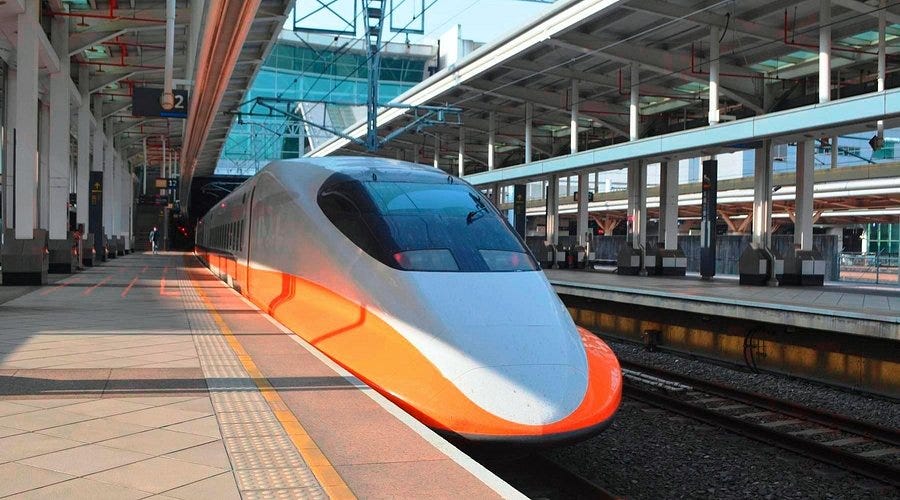
Taiwan High-Speed Rail has been moving people a similar distance in ~1h34m to ~1h59m since 2007, usually for ~$45–$55 one-way. That’s true high speed—up to 300 km/h (186 mph)—and it’s almost two decades old now. We’re still debating whether we can reach 110 mph someday. Taiwan High Speed Rail Corporate Website+1
And yes, China just opened Chongqing East Railway Station on June 27, 2025, alongside a 350 km/h high-speed segment (Chongqing East–Qianjiang). Even if outlets disagree about whether it’s literally the largest station or its exact price tag, what’s not in dispute is the date, speed class, and scale. They’re building for future-proof capacity at true HSR speeds. We’re not. International Railway Journal+2Xinhua News+2
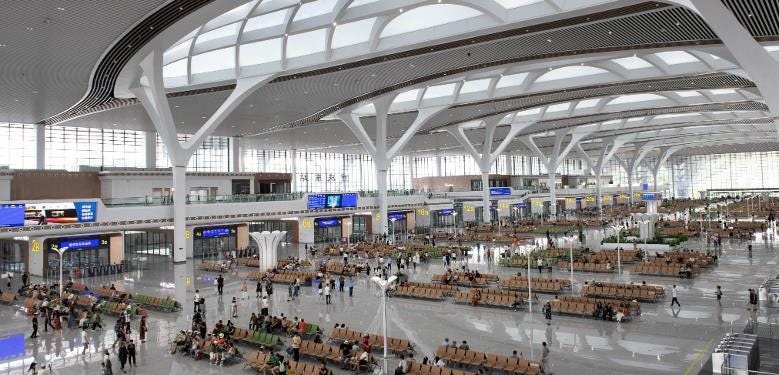
Chong Qing Railway Station
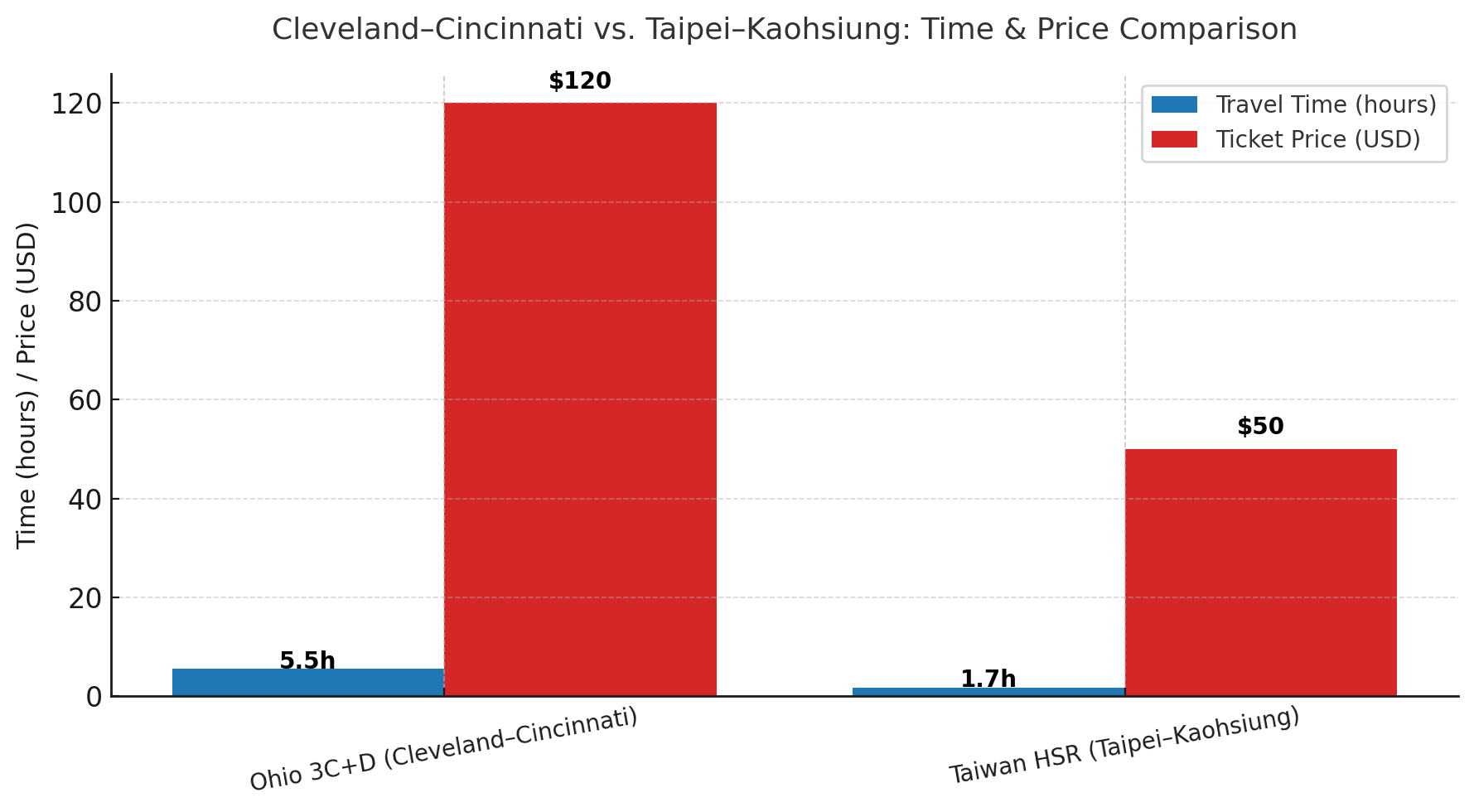
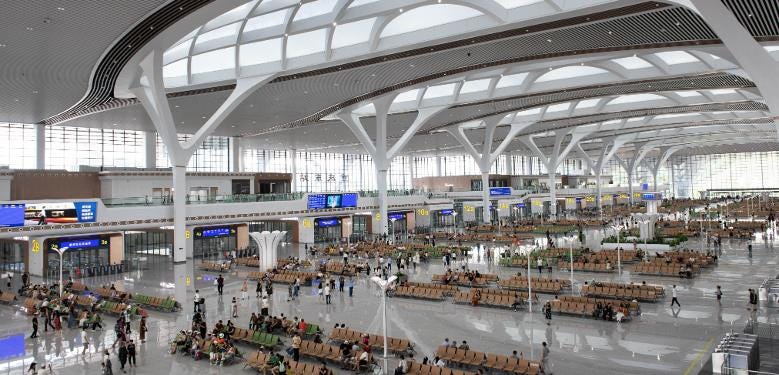
That’s the core comparison: Ohio proposes slow trains on old track while the global benchmark is fast trains on purpose-built corridors.
America Can’t Build — Recent U.S. Lessons
Two examples that absolutely matter, and the timelines explain why people distrust big rail promises:
Honolulu’s Skyline. First segment opened in 2023 and expanded this week to finally reach the airport. The cost story is…ugly: public estimates ballooned from early projections to ~$8–$12B depending on financing; Honolulu is now wrestling with the final downtown miles and how to pay for them. It’s a textbook case of cost creep and delivery drag. Wikipedia+1
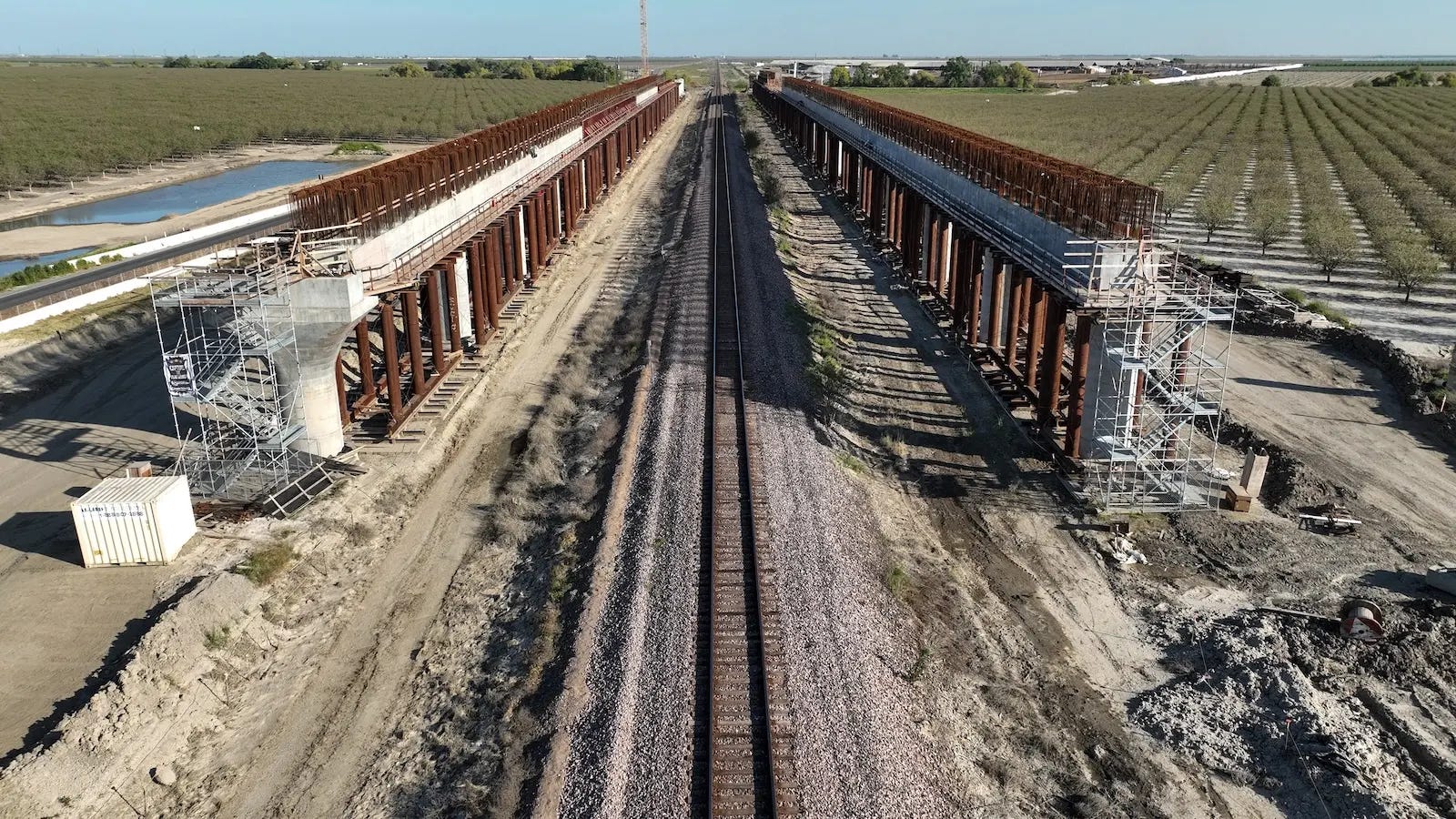
California High-Speed Rail. Voters approved it in 2008; business plans now place Phase-1 in the $89–$128B range. The state argues it’s still cheaper than building equivalent highway and airport capacity, but there’s no denying the sticker shock and schedule pain.
These aren’t gotchas; they’re warnings. If you’re going to spend big, buy speed and quality. Settling for slow guarantees weak ridership, permanent subsidies, and a skeptical public
The “Productivity on the Train” Argument
I get it: laptop out, emails done, maybe a movie. That’s real, and it’s part of why trains win in places where they beat the car. But productivity points don’t erase three extra hours each way. If the service takes ~5:30 to cover ~244 miles, a lot of Ohioans will keep the keys in their hand—especially when the first and last mile are on them (and on their wallet). Amtrak Connects Us+1
We Should Aim Higher (and Still Be Honest About Money)
Here’s what “not settling” looks like in practice:
Design the geometry now for true speed later. If we must start on legacy freight tracks, then every near-term dollar should also preserve a future, high-speed alignment—the curves, the right-of-way, the station siting—that lets Ohio graduate to 186+ mph service. Otherwise we lock in 50 years of mediocrity.
Tell the truth about operating gaps.
Price to win trips. Don’t anchor people to the misleading $120 figure from today’s 24-hour detours. A real corridor needs a time+price combo that beats a tank of gas for a big chunk of trips, especially when parking downtown isn’t free. Amtrak
Make last-mile real, not rhetorical. If you step off in Cincinnati and still drop $30 on a rideshare, the value prop melts. Plan the stations and frequent local links together (RTA/COTA/Metro)—with schedules that actually meet trains. All Aboard Ohio
Where I Land
I’m for investing big in rail. I’m against pretending that a five-hour conventional train on legacy track is some kind of triumph just because it exists. If Ohio spends over a billion dollars, the result should beat the car for a lot of trips, not politely trail it forever.
If we’re going to do rail, do it right—design for speed, integrate the last mile, price it to win, and build a corridor that can graduate to high-speed instead of ossifying at 79–110 mph. That’s how we actually compete with the world and stop bleeding time, productivity, and talent to places that know how to build.
For all these reasons I am against the 3C’s & a D rail.
We can do better. Ohio Deserves Better