

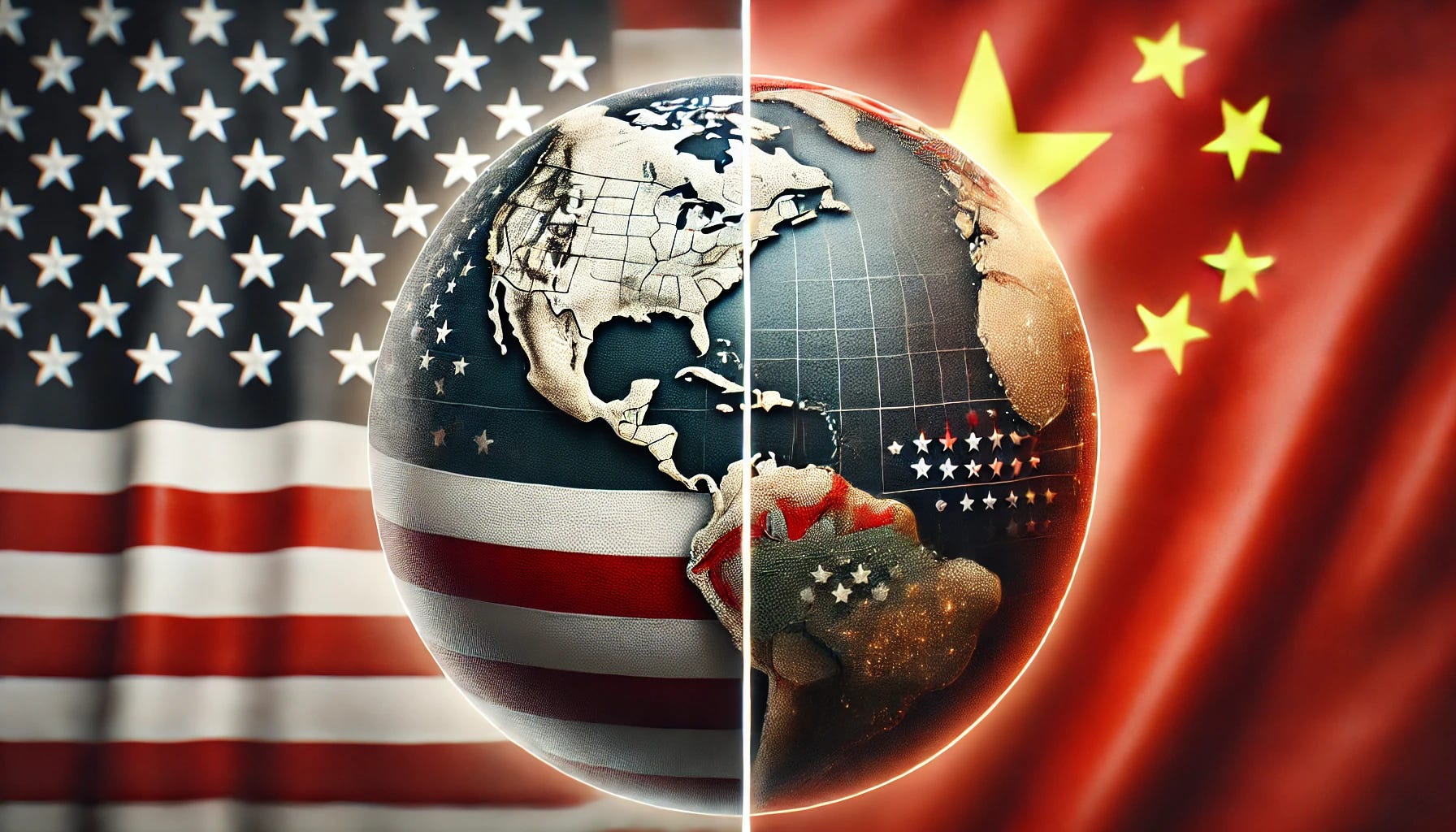
The attempt to release DeepSeek AI should serve as a crucial lesson for us all. The focus should not be on whether it was made more cheaply, whether it utilized Nvidia's H100 chips, or even whether it copied AI from American companies and their intellectual property to develop this product. Instead, our attention should be on the fact that China managed to wipe out $1 trillion in market value simply by releasing an open-source product.
Throughout history, countries have used tariffs and customs regulations to protect their industries by imposing restrictions on foreign goods to prevent them from undercutting domestic markets. This phenomenon is currently unfolding in the auto industry. Tesla is selling electric vehicles (EVs) in the United States, and Elon Musk has been vocal about his opposition to competition from BYD, a Chinese EV manufacturer that recently surpassed Tesla in global sales. BYD produces affordable EVs, with some models starting at just $12,000. To be fair, there are legitimate concerns about whether these vehicles meet U.S. safety and compliance standards. However, the broader issue remains: countries routinely restrict foreign products to safeguard their domestic industries. This is a well-established and common practice.
The key lesson from DeepSeek AI is that when software and coding constitute the product, cloning, or creating a competitive alternative and then open-sourcing it can serve as a form of economic sabotage—or democratization, depending on one's perspective. China has demonstrated that by analyzing American products, creating clones, and releasing them as open-source software, it can bypass traditional economic barriers such as tariffs and customs regulations, as well as the protective "walled gardens" of major corporations like Apple, Google, Meta, and X. The conventional strategies for protecting intellectual property (IP) are now being fundamentally challenged. The idea that a company can build a trillion-dollar business and erect barriers to shield itself from competition is increasingly uncertain.
A historical parallel can be drawn to the late 1970s and early 1980s when Japan began producing and exporting steel at lower prices, undercutting American steel manufacturers. The influx of inexpensive steel devastated the U.S. steel industry and the various jobs that depended on it. In response, the U.S. Treasury Department imposed a 32% dumping duty on Japanese steel in 1978 to counteract unfair pricing. This experience reinforced the importance of tariffs and trade regulations to ensure a level playing field, preventing state-subsidized industries from flooding markets with artificially cheap goods. However, DeepSeek AI has demonstrated that this dynamic has now shifted in the digital age.
A colleague and I were discussing this and attempting to validate my theory that these developments fundamentally alter the economic landscape of industry protection. Traditional factors such as hardware, software, and logistics are no longer the sole determinants of market dominance. The question now is: What new strategies can protect IP and the software responsible for generating massive revenues?
Consider the potential implications if China decided to target additional industries. What if China open-sourced TikTok's algorithm, making it available to anyone who wished to create a competing platform against Meta’s Instagram or YouTube? If other companies could freely integrate TikTok’s proprietary algorithm into their own platforms—such as Elon Musk’s X—how would this affect the stock valuations of Silicon Valley giants, which have disproportionately bolstered the U.S. economy and the S&P 500?
While this remains a theoretical scenario, it is crucial to extract the right lesson from this event. Rather than fixating on who currently holds the most advanced AI—since, ultimately, AI has yet to achieve revolutionary applications such as mowing lawns, folding laundry, or washing dishes—we must recognize the broader implications. What this episode has revealed is that economic disruption, or even economic warfare, is alarmingly easy to execute in the digital age. Companies whose primary asset is an algorithm should take heed: the rules of market protection have changed, and the traditional defenses against competition may no longer be sufficient.